



Filters
SORT
Product Availability –
Category –
MERV –
Material –
Size –
Review Score –
 --%3E %3Csvg version='1.1' id='Fill' xmlns='http://www.w3.org/2000/svg' xmlns:xlink='http://www.w3.org/1999/xlink' x='0px' y='0px' viewBox='0 0 100 100' enable-background='new 0 0 100 100' xml:space='preserve'%3E %3Cpath fill='%23F15C02' d='M79.44,0.95H20.56C9.78,0.95,0.95,9.78,0.95,20.56v58.87c0,10.79,8.82,19.61,19.61,19.61h58.87 c10.79,0,19.61-8.83,19.61-19.61V20.56C99.05,9.78,90.22,0.95,79.44,0.95z M65.38,58.24l9.38,29.58L49.69,69.78L24.5,87.82 l9.34-29.6L8.8,39.6l30.73-0.17c0,0,6.98-19.61,10-28.93c0.54,1.36,9.88,29.1,9.88,29.1H91.2L65.38,58.24z'/%3E %3C/svg%3E)
 --%3E %3Csvg version='1.1' id='With-RB' xmlns='http://www.w3.org/2000/svg' xmlns:xlink='http://www.w3.org/1999/xlink' x='0px' y='0px' viewBox='0 0 100 100' enable-background='new 0 0 100 100' xml:space='preserve'%3E %3Cpath fill='%23FBC8B4' d='M79.44,0.95H20.56C9.78,0.95,0.95,9.78,0.95,20.56v58.87c0,10.79,8.82,19.61,19.61,19.61h58.87 c10.79,0,19.61-8.83,19.61-19.61V20.56C99.05,9.78,90.22,0.95,79.44,0.95z M65.38,58.24l9.38,29.58L49.69,69.78L24.5,87.82 l9.34-29.6L8.8,39.6l30.73-0.17c0,0,6.98-19.61,10-28.93c0.54,1.36,9.88,29.1,9.88,29.1H91.2L65.38,58.24z'/%3E %3C/svg%3E)
Price Range –
HVAC Filters



 --%3E %3Csvg version='1.1' id='Half' xmlns='http://www.w3.org/2000/svg' xmlns:xlink='http://www.w3.org/1999/xlink' x='0px' y='0px' viewBox='0 0 100 100' enable-background='new 0 0 100 100' xml:space='preserve'%3E %3Cg%3E %3Cpath fill='%23F15C02' d='M30.05,70.23l3.79-12.01L8.8,39.6l30.73-0.17c0,0,6.98-19.61,10-28.93c0.54,1.36,9.88,29.1,9.88,29.1h1.58 L93.71,7.18c-3.58-3.82-8.66-6.23-14.28-6.23H20.56C9.78,0.95,0.95,9.78,0.95,20.56v58.87c0,5.41,2.22,10.32,5.79,13.88 L30.05,70.23z'/%3E %3C/g%3E %3Cpath fill='%23FBC8B4' d='M93.71,7.18L60.98,39.6H91.2L65.38,58.24l9.38,29.58L49.69,69.78L24.5,87.82l5.55-17.59L6.75,93.32 c3.55,3.54,8.44,5.73,13.82,5.73h58.87c10.79,0,19.61-8.83,19.61-19.61V20.56C99.05,15.4,97.01,10.69,93.71,7.18z'/%3E %3C/svg%3E)
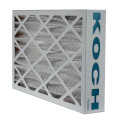
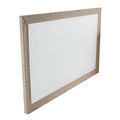
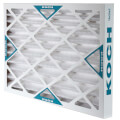


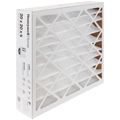
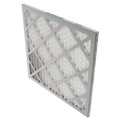
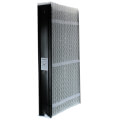
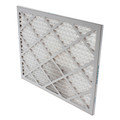
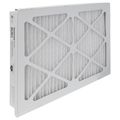
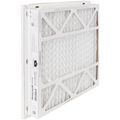
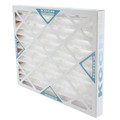
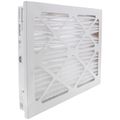

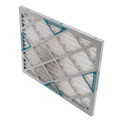

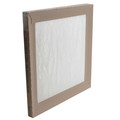
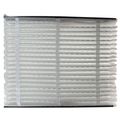

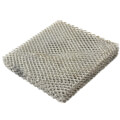
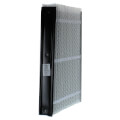
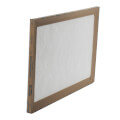

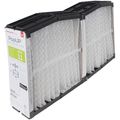

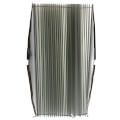
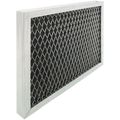
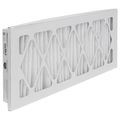
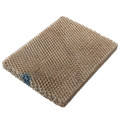
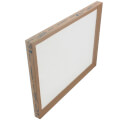


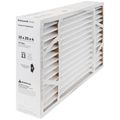
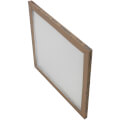


HVAC filters are replaceable media components installed in forced-air heating and cooling systems to capture airborne particles before they recirculate through ductwork or coat the blower, coil, and heat exchanger. Every ducted furnace, air handler, and central AC system depends on an HVAC filter to keep the equipment clean and the air moving. Filter performance is measured using MERV ratings, which range from 1 to 16 on a scale set by ASHRAE Standard 52.2. A MERV 8 filter captures dust, mold spores, and pet dander. A MERV 13 filter goes further, blocking bacteria, fine allergens, smog, and virus carriers. Choosing the right HVAC filter isn't just an air-quality decision. A clogged or mismatched filter can raise heating costs by 10 to 15 percent and accelerate wear on blower motors and coils.
KEY SUBCATEGORIES / PRODUCT TYPES
Fiberglass Panel Filters
Fiberglass panel filters are flat, disposable filters made of spun glass media mounted in a cardboard frame. Contractors and homeowners reach for them when a system requires the lowest possible static pressure drop or when only basic dust control is needed. Fiberglass filters typically carry a MERV rating of 1 to 4, which means they stop large lint, hair, and debris but don't meaningfully improve indoor air quality. A 30-day replacement interval keeps the system running freely, but anyone with allergies or respiratory concerns will want to move up the MERV scale. Hart and Cooley fiberglass throw-away filters, available in sizes like 14" x 30" x 1", represent the kind of straightforward, disposable option that works when the furnace spec calls for minimal restriction.
Pleated HVAC Filters
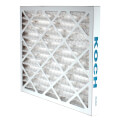
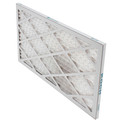
Pleated HVAC filters use a folded synthetic or polyester media to increase surface area without adding static pressure. The extra surface area is what makes a pleated filter significantly more effective than a flat fiberglass panel. Most pleated filters fall in the MERV 5 to 12 range, making them the right call for the majority of residential and light commercial applications. Honeywell Home pleated filters are widely used across a broad range of nominal sizes and deliver low-pressure-drop performance that doesn't strain the blower. For most homes, a pleated MERV 8 to 11 filter strikes the right balance between particle capture and airflow. Replace standard 1-inch pleated filters every one to three months depending on system run time and household conditions.
Deep-Pleat Media Filters (4" to 5" Thick)
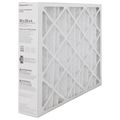
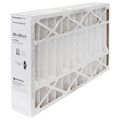
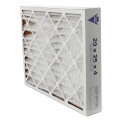
Deep-pleat media filters are thick-format cartridge filters, typically 4 to 5 inches deep, designed for use in dedicated media air cleaner cabinets installed on the furnace or air handler return. More media depth means more surface area, which translates to longer service intervals and higher dirt-holding capacity without spiking static pressure. Replacement intervals for deep-pleat media filters typically run 6 to 12 months, compared to monthly or quarterly changes on thinner filters. Brands like Aprilaire, Trion, GeneralAire, and Field Controls each offer cartridge formats sized for their respective cabinet systems. The Trion Air Bear replacement media, for example, is available in a 16" x 25" x 5" nominal size at MERV 11, and the 5-inch pleated construction traps particles as small as 1 micron. Confirm cabinet model and nominal dimensions before ordering, since actual filter dimensions often run slightly smaller than stated nominal sizes.
Charged-Media and Electrostatic HVAC Filters
Charged-media filters use electrostatically charged fibers to attract and hold airborne particles at a finer level than standard mechanical media alone. Honeywell Home's FC200E series carries a MERV 13 rating with a static pressure drop of 0.28 in. w.c. at 500 FPM, making it one of the more capable options in a residential media format. Washable electrostatic filters use a reusable aluminum mesh or synthetic frame that captures debris and can be cleaned by rinsing and drying before reinstallation. Washable versions typically rate at MERV 3 to 5 and suit applications where frequent media changes aren't practical, like ERV and HRV filter bays. Neither charged-media nor washable electrostatic filters are universal drop-in replacements. Always verify compatibility with the housing or cabinet before spec'ing either type.
Specialty and Application-Specific HVAC Filters
Specialty HVAC filters address specific performance requirements beyond standard dust and allergen capture. For households with pets, filters like Colorfil pleated media include an indicator that shifts color from pink to yellow as the media loads, providing a visual replacement cue alongside dander and odor capture. Whole-home HEPA filtration systems, such as Fantech's HEROHS300 series, combine a pre-filter and a carbon stage with HEPA-grade capture for applications where standard pleated media can't reach the required efficiency level. For commercial packaged units and larger air handlers, higher-capacity cartridge formats and multi-stage arrangements may be specified to handle greater CFM ratings. Always cross-reference the air handler or air cleaner manufacturer's documentation to confirm which filter series and MERV rating the equipment is rated for before substituting a specialty filter type.
BUYING GUIDE / HOW TO CHOOSE
The most important variable in choosing an HVAC filter is MERV rating relative to what the system's blower can handle. Higher MERV ratings trap smaller particles, but they also increase static pressure, which forces the blower motor to work harder. For most residential forced-air systems, a pleated MERV 8 to 11 filter is the right starting point. Households where allergy sufferers or immunocompromised occupants are present may need MERV 12 or MERV 13, but only if the furnace manufacturer's documentation supports it. Going beyond what the equipment is rated for can restrict airflow enough to reduce heating and cooling capacity, so checking the OEM spec sheet first isn't optional.
Filter thickness is the second major decision variable. Standard 1-inch filters are the most common format, but they load quickly and require monthly to quarterly changes in active systems. A 4-inch or 5-inch deep-pleat media filter in a dedicated cabinet can extend replacement intervals to 6 to 12 months and often catches finer particles at lower pressure drop than a thinner high-MERV option. The trade-off is the upfront cost of the cabinet if one isn't already installed.
Sizing matters more than it might seem. Nominal filter dimensions and actual dimensions often differ. A filter listed as 16" x 25" x 5" may actually measure 15-3/4" x 24-3/4" x 5". Gaps between the filter edge and the housing allow unfiltered air to bypass the media entirely, which defeats the purpose. Always confirm actual dimensions from the manufacturer's submittal sheet, not just the nominal label, before ordering a replacement HVAC filter.
Run conditions and household factors also affect replacement frequency. A system running in a home with multiple shedding pets may need filter changes every 30 days even on a high-capacity media format. A single-occupant home with no pets and seasonal-only HVAC operation can often stretch intervals to the long end of manufacturer guidance. When specifying for a replacement or maintenance job, asking about occupancy, pet count, and typical system run hours will get the filter selection closer to right on the first try.
FAQs
What's the difference between a MERV 8 and MERV 11 HVAC filter?
The difference between a MERV 8 and MERV 11 HVAC filter is the size of particles each captures. A MERV 8 filter handles dust, mold spores, and pet dander effectively, and it's the right choice for most standard residential systems. A MERV 11 filter captures finer particles, including fine dust and some smoke, but generates more static pressure. Upgrading to MERV 11 in a system designed for MERV 8 may restrict airflow enough to reduce blower efficiency, so confirming the equipment manufacturer's recommended MERV range before switching is the smart move.
How often should an HVAC filter be replaced?
HVAC filter replacement intervals depend on filter type, system run time, and household conditions. Standard 1-inch pleated HVAC filters typically need replacement every one to three months in active residential systems. Deep-pleat media filters in 4-inch or 5-inch formats can run six to twelve months between changes. Homes with multiple shedding pets, high dust loads, or occupants with respiratory sensitivities will land on the shorter end of any recommended interval, sometimes as short as 30 days.
Can a higher-MERV HVAC filter damage the furnace?
A higher-MERV HVAC filter can restrict airflow enough to stress a furnace blower if the filter's static pressure drop exceeds what the air handler is rated to handle. Higher MERV ratings reduce hole size in the filter media, which increases resistance as air passes through. A clogged or over-specified filter may cause the blower to run harder, reduce heating and cooling capacity, and could contribute to longer-term motor wear. Following the system manufacturer's recommended MERV range is the most reliable way to avoid airflow-related problems.
What's the difference between a deep-pleat media filter and a standard 1-inch pleated HVAC filter?
The difference between a deep-pleat media filter and a standard 1-inch pleated HVAC filter is the amount of filter media and the associated service interval. A 4-inch or 5-inch deep-pleat filter has significantly more surface area, which allows it to hold more particulate before pressure drop becomes a problem, extending replacement intervals to 6 to 12 months versus every one to three months for standard 1-inch formats. Deep-pleat media filters require a compatible media air cleaner cabinet, which houses the cartridge and connects to the system's return air duct. Standard 1-inch pleated filters slide into a rack or slot built into most furnaces and air handlers without additional hardware.
Are washable HVAC filters worth using instead of disposable ones?
Washable HVAC filters are worth considering for specific applications, but they're not a straight substitute for disposable pleated media in most residential systems. Washable electrostatic filters typically rate at MERV 3 to 5, which means they capture large debris well but let fine dust, mold spores, and allergens pass through. Washable filters work best in ERV, HRV, and similar ventilation equipment where frequent access and rinsing are practical. In a standard furnace or air handler, a properly matched disposable pleated filter at MERV 8 or higher will deliver meaningfully better air quality than a washable option at the lower end of the MERV scale.
