




Filters
SORT
Product Availability –
Category –
Review Score –
 --%3E %3Csvg version='1.1' id='Fill' xmlns='http://www.w3.org/2000/svg' xmlns:xlink='http://www.w3.org/1999/xlink' x='0px' y='0px' viewBox='0 0 100 100' enable-background='new 0 0 100 100' xml:space='preserve'%3E %3Cpath fill='%23F15C02' d='M79.44,0.95H20.56C9.78,0.95,0.95,9.78,0.95,20.56v58.87c0,10.79,8.82,19.61,19.61,19.61h58.87 c10.79,0,19.61-8.83,19.61-19.61V20.56C99.05,9.78,90.22,0.95,79.44,0.95z M65.38,58.24l9.38,29.58L49.69,69.78L24.5,87.82 l9.34-29.6L8.8,39.6l30.73-0.17c0,0,6.98-19.61,10-28.93c0.54,1.36,9.88,29.1,9.88,29.1H91.2L65.38,58.24z'/%3E %3C/svg%3E)
 --%3E %3Csvg version='1.1' id='With-RB' xmlns='http://www.w3.org/2000/svg' xmlns:xlink='http://www.w3.org/1999/xlink' x='0px' y='0px' viewBox='0 0 100 100' enable-background='new 0 0 100 100' xml:space='preserve'%3E %3Cpath fill='%23FBC8B4' d='M79.44,0.95H20.56C9.78,0.95,0.95,9.78,0.95,20.56v58.87c0,10.79,8.82,19.61,19.61,19.61h58.87 c10.79,0,19.61-8.83,19.61-19.61V20.56C99.05,9.78,90.22,0.95,79.44,0.95z M65.38,58.24l9.38,29.58L49.69,69.78L24.5,87.82 l9.34-29.6L8.8,39.6l30.73-0.17c0,0,6.98-19.61,10-28.93c0.54,1.36,9.88,29.1,9.88,29.1H91.2L65.38,58.24z'/%3E %3C/svg%3E)
Price Range –
Pressure Controls





 --%3E %3Csvg version='1.1' id='Half' xmlns='http://www.w3.org/2000/svg' xmlns:xlink='http://www.w3.org/1999/xlink' x='0px' y='0px' viewBox='0 0 100 100' enable-background='new 0 0 100 100' xml:space='preserve'%3E %3Cg%3E %3Cpath fill='%23F15C02' d='M30.05,70.23l3.79-12.01L8.8,39.6l30.73-0.17c0,0,6.98-19.61,10-28.93c0.54,1.36,9.88,29.1,9.88,29.1h1.58 L93.71,7.18c-3.58-3.82-8.66-6.23-14.28-6.23H20.56C9.78,0.95,0.95,9.78,0.95,20.56v58.87c0,5.41,2.22,10.32,5.79,13.88 L30.05,70.23z'/%3E %3C/g%3E %3Cpath fill='%23FBC8B4' d='M93.71,7.18L60.98,39.6H91.2L65.38,58.24l9.38,29.58L49.69,69.78L24.5,87.82l5.55-17.59L6.75,93.32 c3.55,3.54,8.44,5.73,13.82,5.73h58.87c10.79,0,19.61-8.83,19.61-19.61V20.56C99.05,15.4,97.01,10.69,93.71,7.18z'/%3E %3C/svg%3E)


 --%3E %3Csvg version='1.1' id='No-RB' xmlns='http://www.w3.org/2000/svg' xmlns:xlink='http://www.w3.org/1999/xlink' x='0px' y='0px' viewBox='0 0 100 100' enable-background='new 0 0 100 100' xml:space='preserve'%3E %3Cpath fill='%23CECECE' d='M79.44,0.95H20.56C9.78,0.95,0.95,9.78,0.95,20.56v58.87c0,10.79,8.82,19.61,19.61,19.61h58.87 c10.79,0,19.61-8.83,19.61-19.61V20.56C99.05,9.78,90.22,0.95,79.44,0.95z M65.38,58.24l9.38,29.58L49.69,69.78L24.5,87.82 l9.34-29.6L8.8,39.6l30.73-0.17c0,0,6.98-19.61,10-28.93c0.54,1.36,9.88,29.1,9.88,29.1H91.2L65.38,58.24z'/%3E %3C/svg%3E)


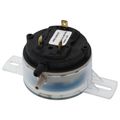


Pressure Controls are switches that start and stop a pump, compressor, or other piece of equipment based on the pressure measured in the system, protecting components from running outside a safe operating range. Square D's Pumptrol line covers water well pump switches, such as the 9013GS series with an adjustable differential in the 20 to 40 PSI range, up through air compressor switches like the 9013GH series that reach 140 to 175 PSI. Each switch has a cut-in pressure, where the pump or compressor turns on, and a cut-out pressure, where it shuts off, and the gap between those two points is the differential. Getting the differential range wrong causes short-cycling, where equipment turns on and off too frequently and wears out faster than it should. Because pressure controls sit directly in the electrical circuit that powers the pump or compressor, choosing the correct pressure range and electrical rating for the application keeps the system running safely and prevents premature motor failure from constant cycling.
Subcategories
- Water Well Pump Pressure Switches: Water well pump pressure switches cycle a submersible or jet pump on and off to keep pressure tank levels within a set range for household plumbing. Square D's 9013GS series covers an adjustable differential in the 20 to 40 PSI range, suited to smaller residential wells with lower system pressure needs. Plumbers select these switches based on the pressure tank's rated range and the pump's horsepower to avoid short-cycling. Because these switches sit inline with the pump's power supply, matching the electrical rating to the pump motor matters as much as matching the PSI range.
- Air Compressor Pressure Switches: Air compressor pressure switches control when a compressor motor starts and stops based on tank pressure, protecting the tank and motor from overpressurization. Square D's 9013GH series covers higher ranges, including a 140 to 175 PSI adjustable differential switch built for compressors that run at higher working pressures than a typical water system. Contractors running job site or shop compressors rely on this category to keep tank pressure within the equipment's rated limits. Because compressor switches see more frequent cycling than well pump switches in many shop settings, contact durability matters when selecting a replacement.
- Mid-Range Pressure Switches: Mid-range pressure switches fill the gap between low-pressure well pump applications and high-pressure air compressor systems, typically covering ranges used on booster pumps and mid-capacity air systems. Square D's 9013GH series also includes a 70 to 100 PSI adjustable differential option for equipment that falls between those two extremes. Technicians servicing booster pump systems or smaller commercial air systems often reach for this range when a standard well pump switch does not reach high enough. Selecting the correct range in this tier still comes down to matching the cut-in and cut-out points to the equipment's rated operating pressure.
Buying Guide
Start by identifying the pressure range the connected equipment needs, since a well pump running at 20 to 40 PSI and an air compressor running at 140 to 175 PSI require entirely different switches even though both fall under the same general category. Reading the differential range, the spread between cut-in and cut-out pressure, matters as much as the overall PSI window, since a differential set too narrow causes short-cycling and a differential set too wide lets pressure swing more than the connected equipment or fixtures can tolerate comfortably. Square D's Pumptrol line breaks these ranges into distinct series: the 9013GS series covers lower ranges like 20 to 40 PSI for smaller well systems, while the 9013GH series extends up through 70 to 100 PSI and as high as 140 to 175 PSI for compressors and higher-pressure applications. Electrical rating is the next check, since the switch carries the full load of the pump or compressor motor and an undersized contact rating shortens the life of the switch or causes it to fail closed. Port thread size and mounting orientation matter too, especially on retrofits where the existing tank has a fixed port location. Pressure Controls that ship with adjustable differential settings give more flexibility on the job, letting a technician fine-tune cut-in and cut-out points without swapping the entire switch. Matching PSI range, differential spread, and electrical rating together, in that order, prevents a switch that trips too often or fails to protect the equipment it controls.
Frequently Asked Questions
What's the difference between cut-in and cut-out pressure?
Cut-in pressure is the point where a pressure control switch turns the pump or compressor on, and cut-out pressure is the point where it turns back off. The gap between those two settings is the differential, and getting it too narrow causes the equipment to short-cycle. Square D's Pumptrol switches list both figures in the range name, such as a 60 to 80 PSI switch built around those cut-in and cut-out points.
How do I know which PSI range I need for a well pump pressure switch?
PSI range depends on the pressure tank's rated operating range and the output of the well pump. Square D's 9013GS series covers a 20 to 40 PSI adjustable differential, suited to smaller residential systems with lower pressure tank settings. Checking the pressure tank's data plate for its rated range before ordering a switch prevents a mismatch between the tank and the switch settings.
Can the same pressure switch work for both a well pump and an air compressor?
Well pump and air compressor pressure switches are not typically interchangeable because they cover different pressure ranges and see different cycling patterns. Square D's 9013GS series tops out around 40 PSI for well applications, while the 9013GH series reaches as high as 175 PSI for compressor use. Using a switch outside its rated range risks premature failure or a switch that never reaches its cut-out point.
Why does a pump or compressor short-cycle?
Short-cycling happens when a pump or compressor turns on and off more frequently than it should, usually because the pressure differential on the switch is set too narrow for the system. Pressure Controls with an adjustable differential let a technician widen the gap between cut-in and cut-out pressure to fix the problem. A pressure tank with too little precharge or air volume can also cause the same symptom even with a correctly set switch.
What electrical rating should a replacement pressure switch have?
The replacement switch needs a contact rating that matches or exceeds the full load amperage of the pump or compressor motor it controls. Undersized contacts wear out faster and can weld shut under repeated cycling, leaving the motor running continuously. Checking the motor's nameplate amperage against the switch's rated contact capacity before ordering prevents an early failure.
