



Filters
SORT
Product Availability –
Brand –
Voltage (Primary) –
Mount –
Review Score –
 --%3E %3Csvg version='1.1' id='Fill' xmlns='http://www.w3.org/2000/svg' xmlns:xlink='http://www.w3.org/1999/xlink' x='0px' y='0px' viewBox='0 0 100 100' enable-background='new 0 0 100 100' xml:space='preserve'%3E %3Cpath fill='%23F15C02' d='M79.44,0.95H20.56C9.78,0.95,0.95,9.78,0.95,20.56v58.87c0,10.79,8.82,19.61,19.61,19.61h58.87 c10.79,0,19.61-8.83,19.61-19.61V20.56C99.05,9.78,90.22,0.95,79.44,0.95z M65.38,58.24l9.38,29.58L49.69,69.78L24.5,87.82 l9.34-29.6L8.8,39.6l30.73-0.17c0,0,6.98-19.61,10-28.93c0.54,1.36,9.88,29.1,9.88,29.1H91.2L65.38,58.24z'/%3E %3C/svg%3E)
 --%3E %3Csvg version='1.1' id='With-RB' xmlns='http://www.w3.org/2000/svg' xmlns:xlink='http://www.w3.org/1999/xlink' x='0px' y='0px' viewBox='0 0 100 100' enable-background='new 0 0 100 100' xml:space='preserve'%3E %3Cpath fill='%23FBC8B4' d='M79.44,0.95H20.56C9.78,0.95,0.95,9.78,0.95,20.56v58.87c0,10.79,8.82,19.61,19.61,19.61h58.87 c10.79,0,19.61-8.83,19.61-19.61V20.56C99.05,9.78,90.22,0.95,79.44,0.95z M65.38,58.24l9.38,29.58L49.69,69.78L24.5,87.82 l9.34-29.6L8.8,39.6l30.73-0.17c0,0,6.98-19.61,10-28.93c0.54,1.36,9.88,29.1,9.88,29.1H91.2L65.38,58.24z'/%3E %3C/svg%3E)
Price Range –
24V Transformers




 --%3E %3Csvg version='1.1' id='Half' xmlns='http://www.w3.org/2000/svg' xmlns:xlink='http://www.w3.org/1999/xlink' x='0px' y='0px' viewBox='0 0 100 100' enable-background='new 0 0 100 100' xml:space='preserve'%3E %3Cg%3E %3Cpath fill='%23F15C02' d='M30.05,70.23l3.79-12.01L8.8,39.6l30.73-0.17c0,0,6.98-19.61,10-28.93c0.54,1.36,9.88,29.1,9.88,29.1h1.58 L93.71,7.18c-3.58-3.82-8.66-6.23-14.28-6.23H20.56C9.78,0.95,0.95,9.78,0.95,20.56v58.87c0,5.41,2.22,10.32,5.79,13.88 L30.05,70.23z'/%3E %3C/g%3E %3Cpath fill='%23FBC8B4' d='M93.71,7.18L60.98,39.6H91.2L65.38,58.24l9.38,29.58L49.69,69.78L24.5,87.82l5.55-17.59L6.75,93.32 c3.55,3.54,8.44,5.73,13.82,5.73h58.87c10.79,0,19.61-8.83,19.61-19.61V20.56C99.05,15.4,97.01,10.69,93.71,7.18z'/%3E %3C/svg%3E)



 --%3E %3Csvg version='1.1' id='No-RB' xmlns='http://www.w3.org/2000/svg' xmlns:xlink='http://www.w3.org/1999/xlink' x='0px' y='0px' viewBox='0 0 100 100' enable-background='new 0 0 100 100' xml:space='preserve'%3E %3Cpath fill='%23CECECE' d='M79.44,0.95H20.56C9.78,0.95,0.95,9.78,0.95,20.56v58.87c0,10.79,8.82,19.61,19.61,19.61h58.87 c10.79,0,19.61-8.83,19.61-19.61V20.56C99.05,9.78,90.22,0.95,79.44,0.95z M65.38,58.24l9.38,29.58L49.69,69.78L24.5,87.82 l9.34-29.6L8.8,39.6l30.73-0.17c0,0,6.98-19.61,10-28.93c0.54,1.36,9.88,29.1,9.88,29.1H91.2L65.38,58.24z'/%3E %3C/svg%3E)
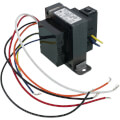
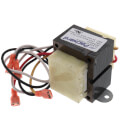
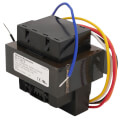
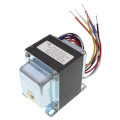
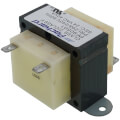
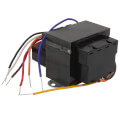
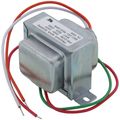
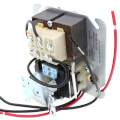
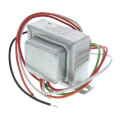
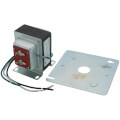
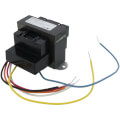
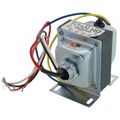
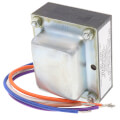
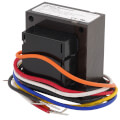
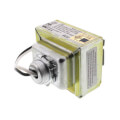
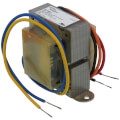
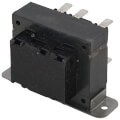
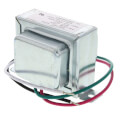
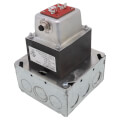
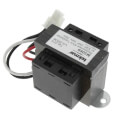
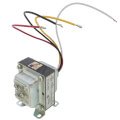
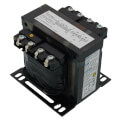
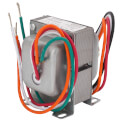
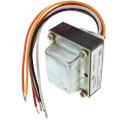

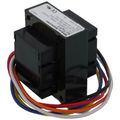
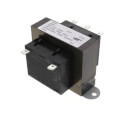
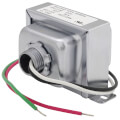
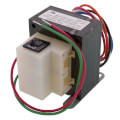
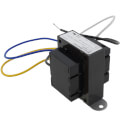
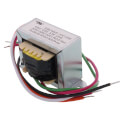
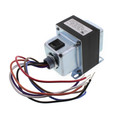
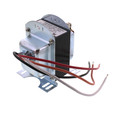
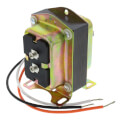
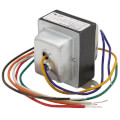
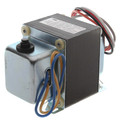
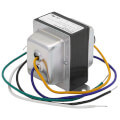
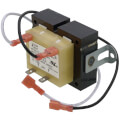
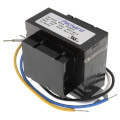
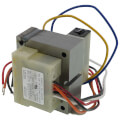
24V transformers step down standard line voltage to the low voltage that thermostats, relays, and control boards in HVAC systems run on. Most units mount directly inside a furnace, air handler, or control panel and wire in ahead of the low-voltage circuit they power. A transformer's VA rating determines how much load it can support, so matching that rating to the connected thermostat and any zone valves or relays on the same circuit keeps the circuit from tripping or running underpowered. Contractors replace a failing transformer when a thermostat loses power intermittently or a control board resets without an obvious cause elsewhere in the system. Picking a transformer built for the specific equipment and accessory load on a job, rather than grabbing whatever is on the truck, prevents a callback for a system that seems fixed but keeps failing under load.
Subcategories
- Single-Stage Transformers: Single-stage transformers step down line voltage to a single fixed low-voltage output, typically enough for a basic thermostat and a single stage of heating or cooling. Residential technicians reach for these on straightforward furnace and air handler replacements where the control circuit doesn't need to power extra zone valves or accessories. A single, simple output keeps wiring straightforward on jobs without added equipment. Sizing the VA rating to the connected load is still worth checking, since even a basic setup can exceed a small transformer's capacity.
- Multi-Tap Transformers: Multi-tap transformers offer more than one voltage output from a single unit, letting one transformer serve equipment that needs slightly different voltages for different components. Technicians working on mixed-equipment jobs, such as a system pairing an older furnace with a newer smart thermostat, use these to avoid installing two separate transformers. Selecting the correct tap during wiring matters, since connecting to the wrong output can underpower or overpower a component. Labeling each tap clearly during installation saves confusion on a future service call.
- Plug-In Transformers: Plug-in transformers connect directly to a standard outlet rather than hardwiring into a panel, making them suited to standalone equipment like a doorbell, an irrigation controller, or a small low-voltage accessory near an HVAC system. Technicians favor these for quick accessory installs that don't warrant opening up the main control panel. A plug-in design also simplifies troubleshooting, since testing the transformer means just swapping it at the outlet. Panel-mounted transformers built for full HVAC control circuits generally carry a higher VA rating than this plug-in style.
- Class 2 Transformers: Class 2 transformers meet the low-voltage safety rating required for most HVAC and control wiring installations, limiting output current to a level considered safe for the thinner wire used in thermostat and relay circuits. Electricians and HVAC technicians alike need this rating on any new transformer installed in a code-compliant control circuit. Confirming the Class 2 listing on the nameplate before installation avoids a failed inspection later. Pairing a Class 2 transformer with wiring sized for its rated output keeps the whole circuit within code.
Buying Guide
Start by adding up the VA draw of everything the transformer needs to power, including the thermostat, any zone valves, relays, and accessories sharing the same low-voltage circuit. A transformer sized too close to its rated capacity runs hot and fails early, so leaving some headroom above the calculated load extends its service life.
Next, check whether the job calls for a single fixed output or a multi-tap unit. Standard residential furnace and air handler replacements usually need only one output, while systems combining older equipment with newer smart thermostats or add-on accessories often benefit from a multi-tap transformer, since 24V Transformers built with multiple taps can serve several voltage needs from one box.
Mounting style matters too. A panel-mounted transformer hardwires directly into the equipment it serves and suits a permanent installation, while a plug-in style works better for a standalone accessory that doesn't warrant opening the main control panel.
Finally, confirm the Class 2 safety rating on the nameplate before buying, since most local codes require it for HVAC control wiring. A transformer without this rating, even one with the right voltage and VA output, can fail an inspection and require a second trip to swap it out.
Frequently Asked Questions
How do I calculate the right VA rating for a replacement transformer?
Add the VA draw listed on the thermostat, any zone valves, and relays sharing the low-voltage circuit, then choose a transformer rated at least slightly above that total. Undersizing the transformer is the most common reason a replacement fails again within months.
What's the difference between a 24VA, 40VA, and 75VA transformer?
The VA rating indicates how much low-voltage load the transformer can safely supply, with 40VA and 75VA units built for systems running more zone valves, relays, or accessories than a basic 24VA transformer can handle. Matching the rating to the actual connected load, not just the equipment brand, is what determines which size fits a job.
Can a transformer be mounted outside the equipment cabinet?
Some models are built for external or plug-in mounting, but most HVAC control transformers are designed to mount inside the furnace, air handler, or a dedicated control panel. Checking the transformer's listing before installing it outside its intended enclosure keeps the install within code.
Why does a new thermostat sometimes need a transformer upgrade?
Newer smart thermostats and accessories often draw more current than an older single-stage system was designed for, which can push an existing transformer past its rated capacity. Confirming the thermostat's power requirements against the existing transformer's VA rating before installation avoids an intermittent power issue after the swap.
What are signs that a 24V transformer is failing?
A thermostat that loses power intermittently, a control board that resets without a clear cause, or a transformer housing that feels noticeably warm to the touch are common signs. Testing output voltage under load, rather than with nothing connected, gives the clearest read on whether the transformer is still performing to spec.
